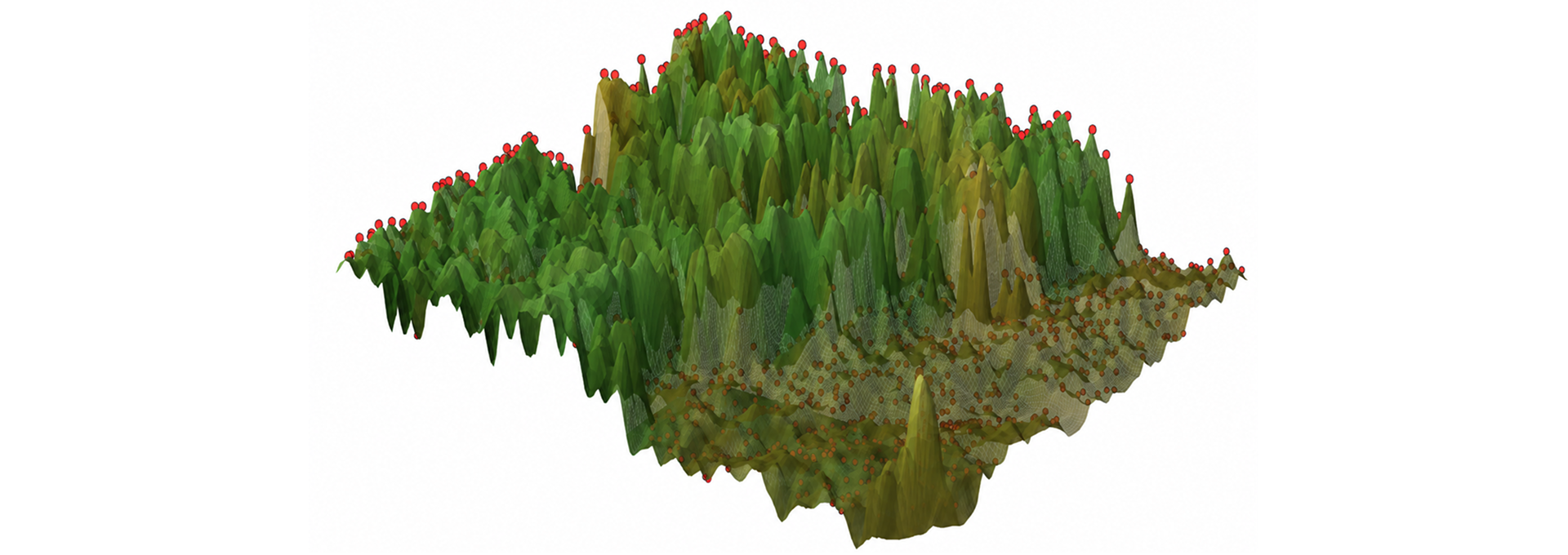
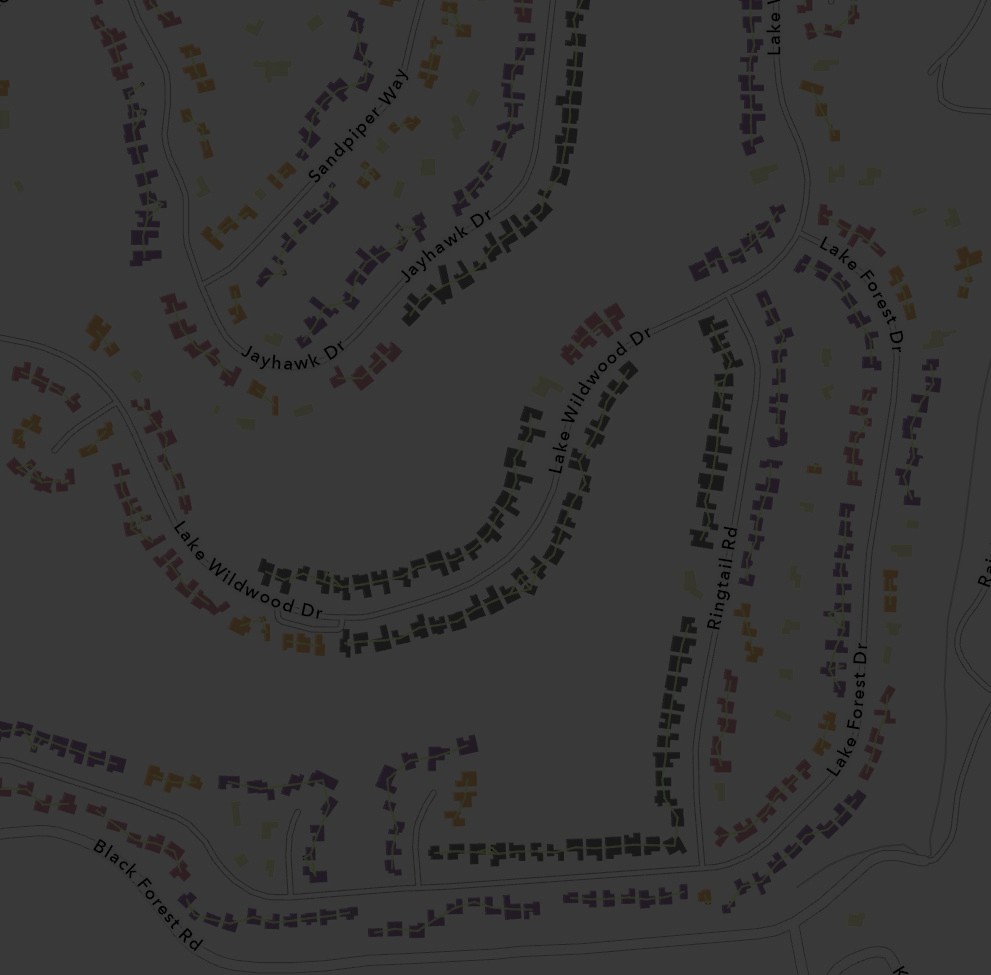
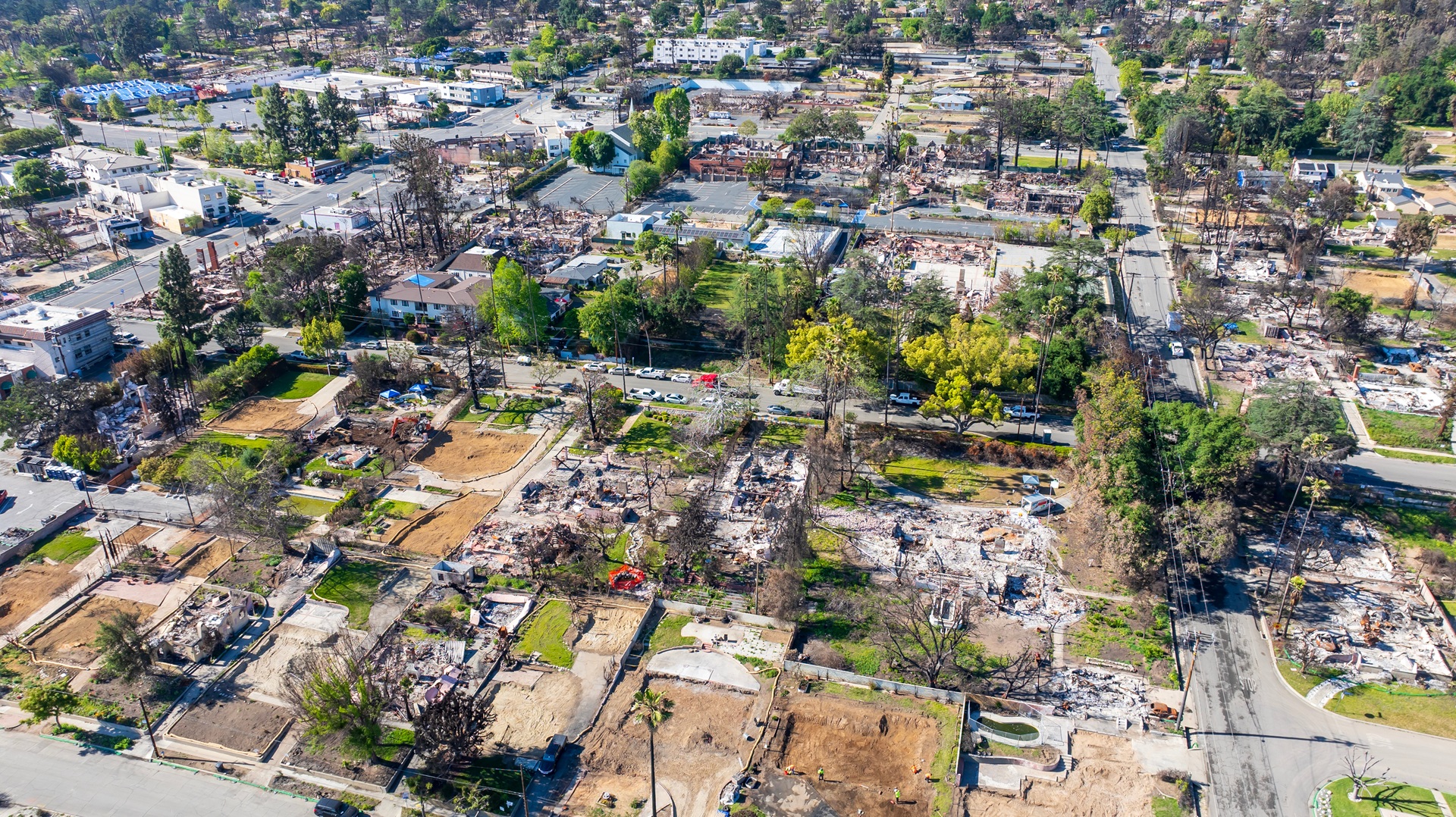
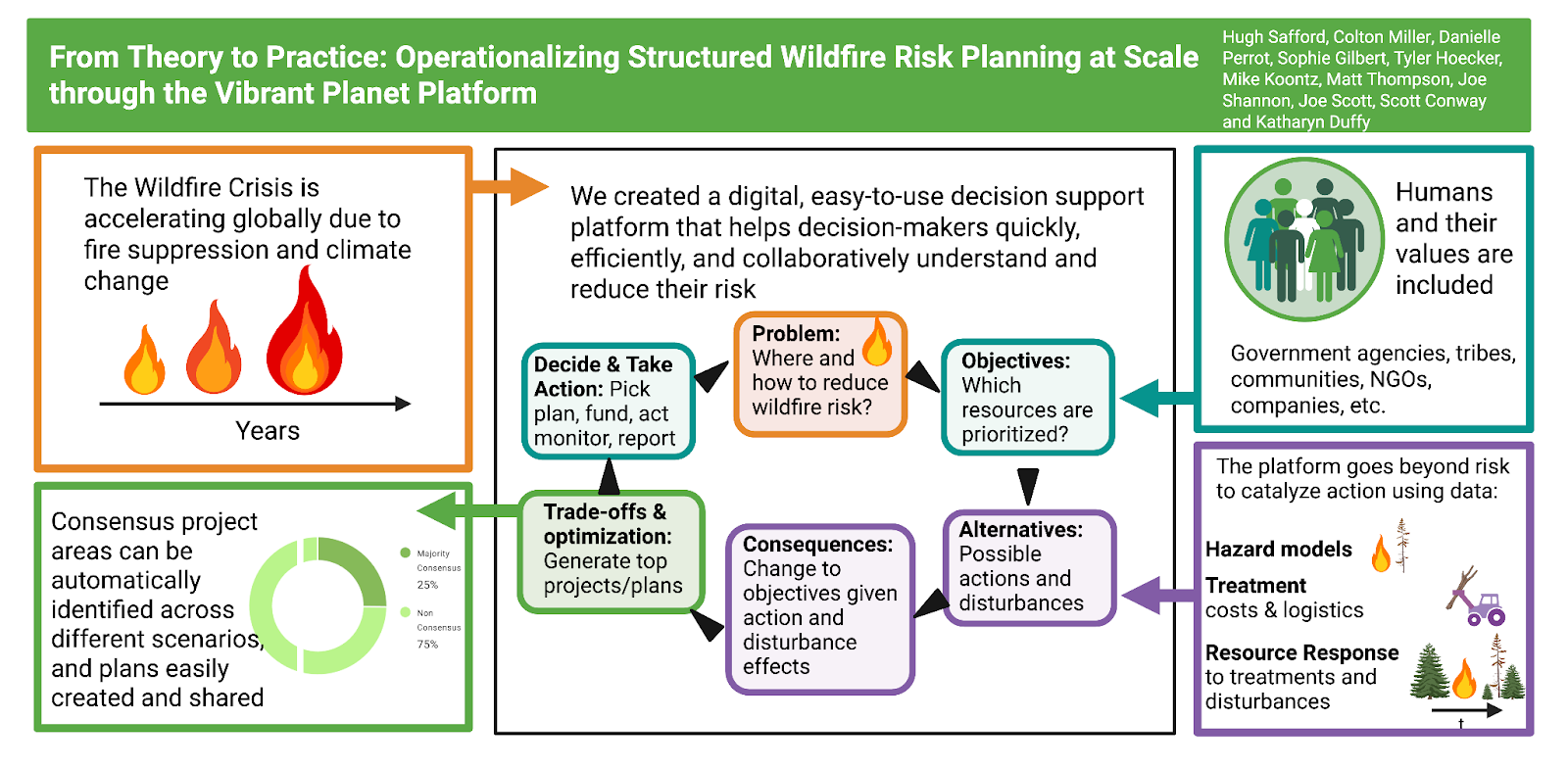
Wildfire is an ongoing and persistent threat to homes, drinking water, forests, powerlines, and local economies across the western United States and beyond. A new peer-reviewed paper published in Ecological Modelling* describes how the Vibrant Planet Platform (VPP) provides an innovative and practical approach to help communities and local partners move from evaluating risk to planning action at the speed of today’s wildfire reality.
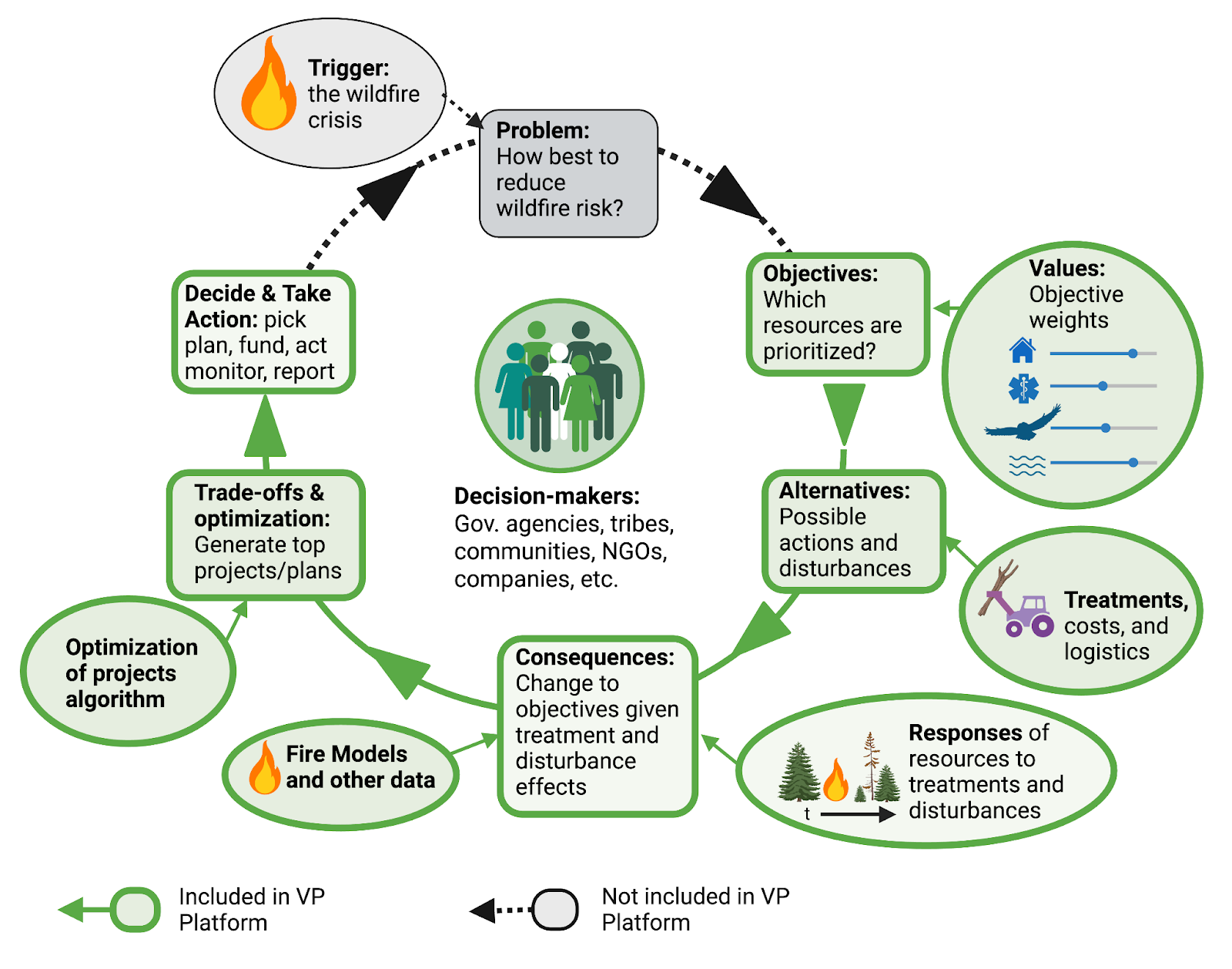
The publication provides case studies for the Vibrant Planet Platform (VPP), a collaborative planning system designed to help communities and agencies make transparent, coordinated, and adaptable wildfire risk mitigation project decisions as conditions change.
What this means for communities on the ground
In many places, wildfire mitigation planning gets stuck—not because people don’t understand the urgency or want to take action, but because the process itself is a “wicked problem”; One where conditions keep changing, landscapes cross jurisdictional boundaries, and communities have many competing needs:
- Data comes from a myriad of sources, is often out of date, and doesn’t always match up
- Plans often take too long to produce and become outdated almost immediately without updated conditions and data
- Partners may disagree on priorities or feel left out of decisions
- It’s difficult to compare options and understand tradeoffs
- Planning rules, funding, and intended outcomes vary jurisdiction by jurisdiction
This study highlights how planning becomes more effective when communities have shared access to the same information, a clear process for setting priorities, and tools that enable faster cross-boundary collaboration.
Expediting “risk maps” to “real projects”
Traditional wildfire risk assessments are useful, but often result in static maps or reports disconnected from the community’s next question:
“Okay—so what should we do first, where, and why?”
The paper describes an approach that turns risk information into clear next steps by supporting scenario planning and prioritization—so groups can explore different strategies, evaluate outcomes, and choose actions that match their shared goals.
Planning based on what a community values most
Every wildfire-exposed community has different priorities. One area might prioritize homes and evacuation routes. Another, might prize municipal watersheds, wildlife habitat, or critical infrastructure.
The paper explains how the platform supports community-informed planning by allowing groups to include and weigh different priorities and objectives, such as:
- Protecting homes and infrastructure
- Improving community safety
- Supporting clean streams and reliable water supplies
- Protecting wildlife and habitat
- Strengthening forest health
- Safeguarding cultural and historic sites
- Maintaining recreation access
Making results easier to understand (and easier to fund)
One of the biggest barriers to implementing wildfire risk reduction projects is translating technical modeling outputs to actionable insights for the public, elected leaders, and funders.
The study describes how the Vibrant Planet Platform emphasizes outcome-focused results that are easier to interpret, such as:
- Reduced flame length and fire spread
- Home and structure exposure
- Improved access for emergency response
- Acres of improved habitat
- Forest resilience to drought
- Targeted planning outputs that support Community Wildfire Protection Plans and grant applications
Real-world use: planning across 70+ million hectares in eight states
First deployed in 2021, the platform has been used across diverse fire-prone landscapes; it is now in use across more than 74 million acres in eight states.
The paper features an example of a large collaborative effort on the Pike–San Isabel National Forests and Cimarron and Comanche National Grasslands, where more than 40 local partner organizations worked together to map what mattered most and prioritize projects across a large landscape.
In that case study, partners identified priority treatment areas and estimated that treating 29% of the landscape could lead to a 42% predicted reduction in wildfire hazard across the broader area.
Built on trusted, public wildfire science—designed for public decisionmaking
The authors emphasize that this informed and collaborative decision support builds on decades of wildfire science and tools developed by researchers, including foundational work by the U.S. Department of Agriculture Forest Service.
The goal of the platform is not to replace local expertise or community governance—but to underpin such local knowledge with tools that help people work together faster, using shared information and clearer choices.
About the publication
Title: A collaborative, cloud-based decision support system for structured wildfire risk mitigation planning
Journal: Ecological Modelling
DOI: 10.1016/j.ecolmodel.2025.111464
Media Contact
Scott Conway
Chief Resilience Officer
Vibrant Planet
*This publication was co-written by a group of current and former Vibrant Planet and Pyrologix team members. The work was submitted to Ecological Modelling and evaluated by independent reviewers with no affiliation to Vibrant Planet.


.png)